
Call us now :
 Send Inquiry
 Send Inquiry
Commercial Big Bitumen Storage Tank
Price 550000 INR/ Piece
MOQ : 4 Pieces
Commercial Big Bitumen Storage Tank Specification
- Thickness
- 6-12 mm
- Shape
- Rectangular
- Temperature
- Up to 200C
- Tolerance
- 5%
- Capacity
- 10,000 to 50,000 Liters (or as specified)
- Grade
- Industrial
- Application
- Storing and Heating Bitumen
- Processing
- Welded Construction
- Condition
- NEW
- Material
- Mild Steel with Insulation
- Dimension (L*W*H)
- Customized as per requirement
- Storage Material
- Bitumen
- Usage
- bitumen tank
- Size
- 30000-40000 L
- Product Type
- Bitumen Storage Tank
- Color
- Silver
- Level Indicator
- Available
- Automation Grade
- Semi-Automatic/Manual
- Leak Proof
- Yes
- Standards
- IS/ISO Certified Manufacturing
- Manhole
- Provided for Maintenance
- Insulation Type
- Mineral Wool/Glass Wool
- Corrosion Protection
- Internal & External Coating
- Surface Finish
- Galvanized or Painted
- Agitator
- Optional
- Heating System
- Thermic Fluid/Direct Oil Fired
- Mounting Type
- Leg Mounted
Commercial Big Bitumen Storage Tank Trade Information
- Minimum Order Quantity
- 4 Pieces
- Delivery Time
- 7-10 Days
About Commercial Big Bitumen Storage Tank
A commercial big bitumen storage tank is a large-capacity, heavy-duty industrial vessel designed for storing liquid asphalt at high temperatures (typically
Superior Insulation and Heating Technology
These storage tanks employ mineral wool or glass wool insulation combined with efficient heating systems using either thermic fluid or direct oil-fired methods. This integration ensures the stored bitumen remains at desired temperatures up to 200C, reducing heat loss and energy consumption. Such reliable thermal management guarantees uninterrupted industrial use and optimal material handling, even in varied climatic conditions.
Durable Construction and Corrosion Protection
Each tank is constructed from industrial-grade mild steel, galvanized or painted for robust surface protection. Internal and external coatings provide an additional layer of defense against corrosion, significantly extending the tank's operational lifespan. Welded construction and a thickness range of 6-12 mm ensure structural integrity, making these tanks a dependable solution for the demanding requirements of bitumen storage and heating.
Customizable and Safe Operations
Designed with flexibility in mind, these tanks can be tailored to specific dimensions and capacities as per client requirements. The inclusion of manholes for maintenance, level indicators, and optional agitators facilitates user-friendly operation and safety. Leak-proof design, leg-mounted stability, and IS/ISO certified manufacturing standards collectively deliver peace of mind and compliance with industry regulations.
FAQ's of Commercial Big Bitumen Storage Tank:
Q: How does the insulation in the bitumen storage tank enhance its performance?
A: The mineral wool or glass wool insulation minimizes heat loss, maintaining the internal temperature efficiently. This insulation helps keep bitumen at optimal temperatures up to 200C, reducing energy consumption for heating and ensuring smooth, consistent operation.Q: What heating systems are available with these bitumen tanks, and how do they function?
A: The tanks come equipped with either thermic fluid or direct oil fired heating systems. Both methods provide consistent heat for the stored bitumen, but the thermic fluid system offers more uniform temperature control while direct oil firing delivers rapid heating for time-sensitive applications.Q: When is regular maintenance required for these tanks, and how is it conducted?
A: Routine inspections and maintenance are recommended as per operating conditions, usually every few months or after heavy usage. The provided manhole allows easy internal access for cleaning, inspection, and servicing, ensuring safe and continued operation.Q: Where can these bitumen storage tanks be installed, and how are they mounted?
A: These tanks are suitable for industrial sites, road construction facilities, or asphalt plants. Their leg-mounted design ensures sturdy installation on level surfaces, providing safe and reliable placement in diverse environments.Q: What process is involved in customizing the size and configuration of the tank?
A: Customization is based on user specifications-dimensions and capacity can be tailored between 10,000 and 50,000 liters. Upon consultation, the manufacturer adapts the design and construction to match the precise requirements and space constraints of the project.Q: How does the tank's corrosion protection benefit users over the long term?
A: Internal and external protective coatings guard against rust and chemical degradation, significantly prolonging the tank's service life. This ensures lower maintenance costs, greater reliability, and minimized risk of leakage or structural failure.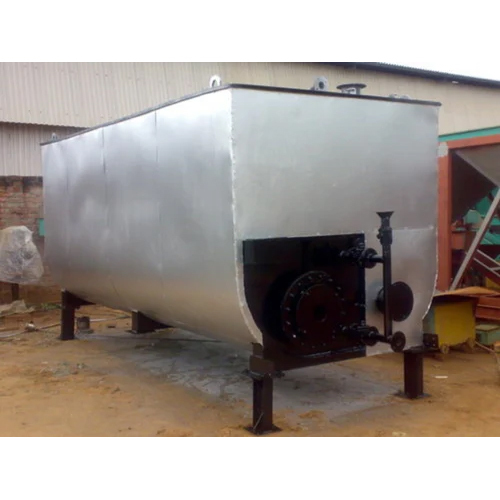
Tell us about your requirement

Price:
Quantity
Select Unit
- 50
- 100
- 200
- 250
- 500
- 1000+
Additional detail
Mobile number
Email

More Products in Bitumen Storage Tank Category
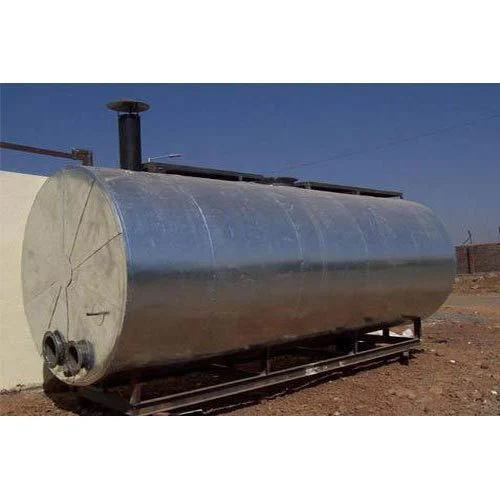
Bitumen Storage Tank
Price 300000 INR / Unit
Minimum Order Quantity : 1 Unit
Color : Silver
Condition : NEW
Size : 5000 L
Product Type : Bitumen Storage Tank

 Send Inquiry
Our Products


Plot-No 52, Golden Industrial Estate, Near Girnar Scooter, Odhav Circle Ring Road, Odhav, Ahmedabad - 382415, Gujarat, India

Mr Khodabhai Patel
(Proprietor)
Mobile :+919426310592, +919979996933
 Send Inquiry
 Send SMS
Developed and Managed by Infocom Network Private Limited.
 English
 Spanish
 French
 German
 Italian
 Chinese (Simplified)
 Japanese
 Korean
 Arabic
 Portuguese